Home Renovation Checklist: Interior to Exterior
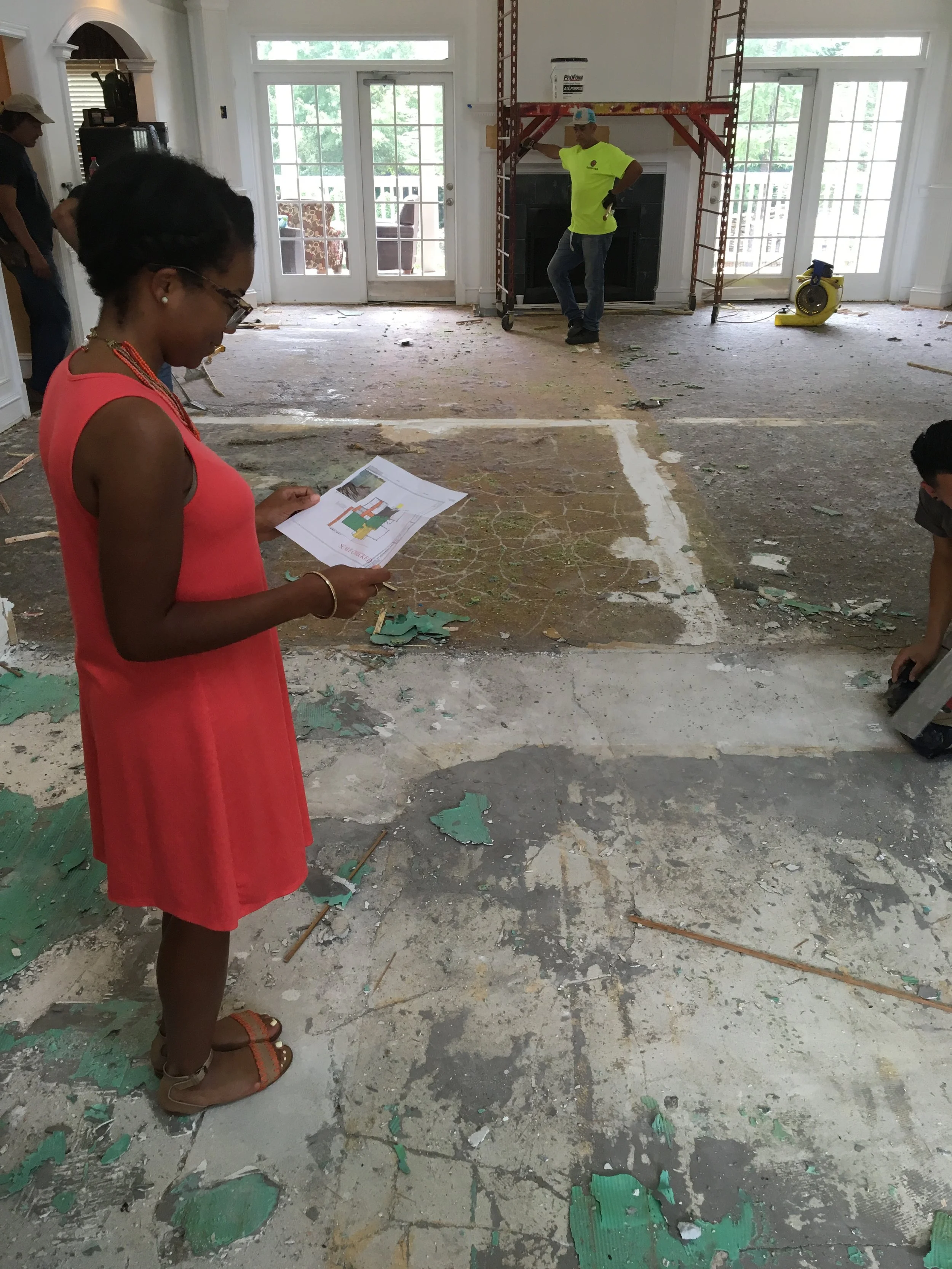
Renovating your home often begins with one area that just isn’t working anymore. Once you start imagining what could change, though, it’s easy for one project to affect more of the house than you expected. A thoughtful home renovation checklist from interior to exterior helps you see those connections early, so your plans make sense for the entire home. The result is a space that works better for the life you’re already building there.
Define What Needs to Change
It’s tempting to focus on whatever bothers you most right now. Maybe your kitchen seems closed off, or perhaps a room doesn’t get enough daylight. That frustration matters, but you’ll make a more useful plan when you identify the cause rather than jumping straight to a solution.
Spend some time noticing the spaces you use most. Notice where movement becomes awkward or where a room consistently goes unused. Once you understand what isn’t working, you can decide whether renovation would solve the problem or simply change its appearance.
Match Changes to Daily Life
You don’t need to follow every design trend that looks appealing online. A home works best when its layout supports the people living there.
Think about what an ordinary weekday looks like in your home. If everyone naturally gathers in one area, your renovation can support that pattern rather than forcing your household into a layout that doesn’t match daily life.
Reconsider Your Interior Layout
Removing an interior barrier may allow daylight from existing windows to reach farther into your home, changing the character of spaces away from exterior walls. You still need places that serve distinct purposes. Without enough definition, a large open area can become harder to furnish and less practical than the rooms it replaced.
If you’re considering a major layout change, think carefully about whether an open floor plan is right for your home. The answer depends on the way you use your space and the amount of separation you want throughout the day. Thinking through those needs early can prevent you from committing to a layout simply because it looks good in photos.
Let Natural Light Guide You
As you rethink interior spaces, notice where daylight enters and where it disappears. Removing an interior barrier may allow existing windows to serve a larger area, which can change the character of rooms farther from the exterior walls.
Natural light can also reveal why you shouldn’t plan the inside without looking outdoors. A window may face a sunny part of your property, yet dense tree coverage outside can dramatically reduce the daylight reaching the room.
Look Beyond the Walls
Once your interior plans take shape, turn your attention toward what surrounds the house. Your property doesn’t exist separately from its environment, and exterior conditions can influence decisions you make indoors.
Stand outside and look back at your home from several angles. You may notice that trees sit closer to the structure than they seemed from inside. You might also see areas where shade keeps exterior surfaces damp longer after rain. Observations like these can help you spot conditions worth addressing while other renovation work is already underway.
A simple walkthrough can focus your attention on areas such as:
Branches extending over the house
Gutters that collect frequent debris
Exterior surfaces with persistent shade
Windows blocked by overgrown landscaping
Areas where water gathers after rain
Give Your Roof Attention
It’s easy to overlook the roof during a renovation because you don’t interact with it every day. Yet exterior changes around your property can affect the conditions your roof faces throughout the year. Trees deserve particular attention because growing branches can gradually move closer to the house
If your property has mature landscaping, consider the ways tree coverage can damage roofs. Overhanging branches can contact roofing materials, while fallen leaves can contribute to debris buildup in drainage areas. Recognizing those conditions gives you a chance to account for surrounding vegetation as part of your broader renovation planning.
Connect Indoors With Outdoors
Renovation can change more than individual rooms. It can reshape your relationship with the yard, especially when you adjust sightlines or rethink the spaces where people naturally gather.
Consider what you see when you look outside from the areas where you spend the most time. A renovation may allow you to make a favorite garden more visible or improve the visual connection between an indoor gathering space and the yard. You’re creating a home that makes sense as one environment rather than treating the exterior as an afterthought.
Protect Privacy as Spaces Open
Greater visual connection can come with a tradeoff. When you open an interior layout or create a stronger connection to the outdoors, you may notice sightlines that didn’t matter when rooms had more separation.
You can account for privacy while you’re still planning instead of trying to correct it afterward. Existing landscaping may already provide useful screening, giving you another reason to consider the role it plays around your home.
Plan Projects in Context
By this stage, your interior-to-exterior renovation checklist should look less like a collection of individual upgrades and more like a picture of the whole property. That perspective can help you recognize when one decision affects another part of the house.
You don’t necessarily need to tackle everything at once. What matters is knowing where your projects connect. If an interior change depends on better natural light, for example, understanding the landscaping outside can keep you from designing around conditions you plan to change later.
Leave Room for the Unexpected
Homes have a way of revealing new information once renovation begins. You may open a space and realize that your original idea needs adjustment, or you may notice an exterior concern while working on something unrelated.
Build some flexibility into your expectations. When you give yourself room to respond to what the house reveals, you’re less likely to force an early plan that no longer makes sense.
Create a Home That Connects
A successful renovation shouldn’t leave you with a beautiful room that seems disconnected from everything around it. You’re shaping a place where interior spaces and the surrounding property support the way you want to live.
Take another walk through your home once you’ve outlined your priorities, then continue outside instead of stopping at the door. Look back at the house and consider whether your plans still make sense from that perspective. That wider view can turn a collection of renovation ideas into a home that works together from the inside out.