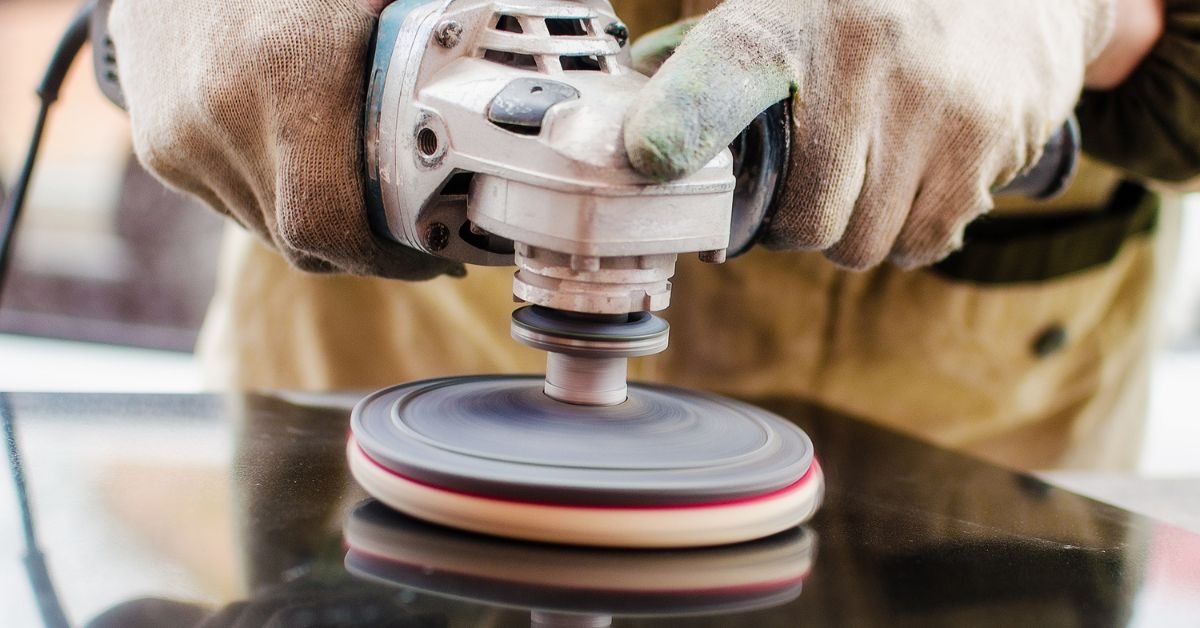
Stone countertops bring natural beauty into your home. Their distinctive patterns add character, while their smooth surfaces create an inviting space for cooking and gathering. But everyday spills and cleaning products can eventually leave them looking dull.
The good news? You don't always need a major renovation to refresh your kitchen.
Understanding how to polish your stone countertops like a pro starts with identifying your stone. Granite, marble, and quartz require different care, and the wrong treatment can cause lasting damage. With a few thoughtful steps, you can restore your countertops' appearance while protecting their finish.
Why Polish Your Stone Countertops Yourself
Polishing your stone countertops can restore their natural shine and bring out the beautiful colors and patterns that make them unique. When done correctly, polishing can also reduce the appearance of minor scratches and surface wear, helping your countertops look like new without the expense of replacing them.
Maintaining your existing countertops is also a smart way to enhance your kitchen's appearance without a major renovation. Well-cared-for stone surfaces can make your home more appealing to potential buyers, making countertop maintenance one of several practical ways to increase your home's value without a major remodel.
Understand Your Stone Before You Start
Different countertop materials respond differently to cleaning solutions and polishing techniques. Knowing which stone you have helps you choose the safest approach.
Granite Countertops
Granite is popular for its durability and natural beauty. However, exposure to harsh cleaners can affect its finish.
If your granite looks cloudy, soap residue or mineral deposits might be responsible. A thorough cleaning may restore its appearance without additional polishing.
Deeper scratches or worn areas may require professional restoration.
Marble Countertops
Marble brings timeless elegance to kitchens and bathrooms, but its softer composition requires extra care. Acidic ingredients such as lemon juice and vinegar can react with marble, creating dull patches called etch marks.
Minor etching may respond to marble-specific treatments, while extensive damage usually needs professional attention.
Quartz and Quartzite Countertops
Although their names sound similar, quartz and quartzite have different properties.
Engineered quartz combines natural minerals with resins to create a manufactured surface. Quartzite is a natural stone that requires care that suits its composition.
These differences affect which treatments are appropriate. For additional context, this guide to polishing different types of stone surfaces explains how material composition and surface finishes influence restoration methods.
Gather Your Countertop Cleaning Supplies
The first step in polishing your stone countertops like a pro is acquiring the right tools. You don't need expensive equipment to maintain attractive stone countertops. Simple supplies can handle most everyday cleaning needs. Gather the following:
Soft microfiber cloths
Warm water
Mild dish soap or a pH-neutral stone cleaner
A clean, dry towel
A manufacturer-approved polishing product, if appropriate
Avoid abrasive scrubbers and harsh chemicals unless your countertop manufacturer recommends them.
Remember that the original finish matters, too. Honed stone has a matte appearance, while polished stone reflects more light. Applying a shine-enhancing product to honed countertops may create an uneven finish.
How To Polish Stone Countertops Step By Step
Before polishing, determine whether your countertop needs actual restoration. Sometimes, removing buildup is enough to bring back its natural appearance.
Step 1: Clear the Countertop
Remove appliances and decorations to give yourself plenty of room. Check around the sink and coffee maker, where moisture and spills can leave stubborn residue.
Clearing the surface also makes it easier to identify scratches or dull patches.
Step 2: Clean the Surface Thoroughly
Mix a small amount of mild dish soap with warm water, or choose a cleaner suitable for your stone.
Gently wipe the countertop using a soft microfiber cloth. Pay extra attention to areas with grease or food residue. Avoid aggressive scrubbing, which can introduce scratches.
Finish by removing any remaining soap with a clean, damp cloth.
Step 3: Dry and Inspect the Stone
Use a soft towel to dry the countertop completely. Standing water can leave mineral deposits, particularly in homes with hard water.
Once dry, inspect the surface for cloudy areas or changes in sheen. If the stone looks clean and consistent, further polishing may be unnecessary. If dull patches remain, determine whether residue, etching, or physical wear is causing the problem.
Step 4: Apply an Appropriate Polishing Product
If your countertop manufacturer recommends a polishing product, follow its instructions carefully. Always test the treatment on a small, hidden area before applying it more widely. Remember that some products enhance an existing shine without removing scratches or repairing etching.
Marble requires unique treatments for its specific finish. Granite and quartzite may need special equipment for deeper restoration.
Engineered quartz requires caution because abrasive polishing can permanently alter its factory finish.
Step 5: Inspect the Finish in Natural Light
After completing the treatment, examine your countertop from several angles. Natural light can reveal streaks or uneven patches that overhead lighting might hide.
Focus on achieving a consistent appearance rather than an excessively glossy surface. Your countertop should look new without noticeably different finishes across adjoining sections.
Common Mistakes To Avoid
A few cleaning mistakes can cause expensive damage. Understanding what to avoid helps protect your countertops over time.
Using Vinegar or Lemon Juice
Although vinegar works for many household cleaning tasks, it's unsuitable for acid-sensitive stone. Acidic solutions can etch marble and other calcium-rich surfaces, leaving permanent dull patches. Choose a cleaner specifically for your countertop instead.
Scrubbing With Abrasive Materials
Rough sponges and scouring powders may scratch stone surfaces. Even small scratches can become noticeable when sunlight hits the countertop. Use soft cloths and compatible cleaning products whenever possible.
Applying Too Much Polish
More polish doesn't guarantee better results. Excess product may create streaks or leave a cloudy film, making the countertop appear dirtier. Follow the manufacturer's directions and remove any excess residue.
Confusing Sealing With Polishing
Sealing and polishing serve different purposes. Sealers help certain natural stones resist stains, while polishing addresses the surface finish.
A sealer won't repair scratches or etching. Not every countertop requires sealing, either.
When Should You Call a Professional?
Not every countertop problem has a simple DIY solution. Deep scratches, widespread dullness, cracks, and noticeable etching may require professional restoration.
Stone specialists can assess the damage and recommend an appropriate treatment.
Professional attention also makes sense when sections of the countertop have uneven finishes. Attempting to polish spots with unsuitable tools could make the differences more noticeable.
Seeking expert advice can protect your investment and prevent unnecessary damage.
Give Your Kitchen a Fresh Look With Proper Stone Care
Beautiful countertops make everyday moments at home more enjoyable. Whether you're preparing dinner or sharing coffee with family, a well-maintained kitchen feels more inviting.
Understanding DIY stone countertop polishing helps you choose suitable products and recognize when professional restoration makes sense.
You don't need a perfectly glossy finish to appreciate your countertops. The right care enhances the stone's natural character while protecting its surface.