When Your Home Needs More Space but Not More House
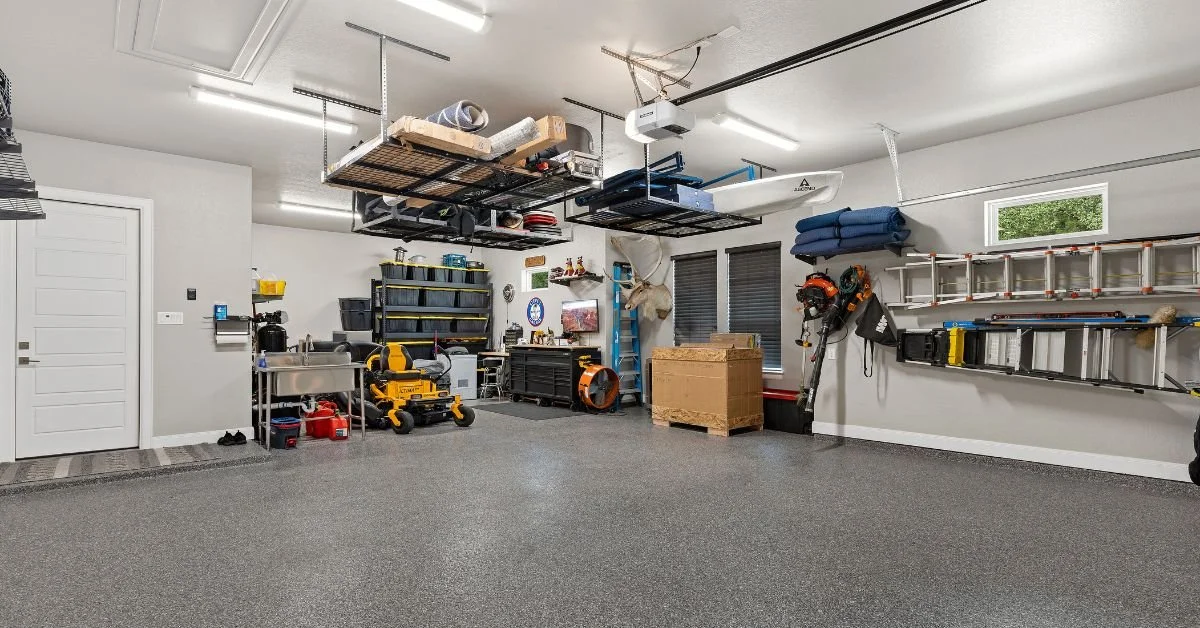
As families settle into a home, belongings and activities have a way of claiming spaces that once felt perfectly adequate. The garage may gradually lose parking space to equipment, while a favorite hobby starts spilling into rooms everyone needs to use. Yet moving to a larger house or building an addition may provide far more living space than the situation calls for.
Recognizing when your home needs more space but not more house starts with identifying exactly where the pressure comes from. Sometimes better organization can resolve it, while a persistent conflict between household activities may point toward dedicated space elsewhere on the property.
Figure Out What Is Actually Taking Up the Space
Before considering ways to expand, spend some time noticing which belongings or activities consistently make the house feel crowded. A family might have adequate closets but nowhere appropriate for bulky recreational equipment, while someone who enjoys woodworking may have shelves for tools without enough room to leave a project set up between weekends. Identifying the source of the pressure makes it easier to distinguish a storage problem from a genuine need for additional usable space.
Looking at where clutter returns after you clean up can be particularly revealing. Belongings that repeatedly collect in hallways or shared rooms may simply need a more practical home, but activities that regularly displace other household functions create a different problem. Once you know what keeps competing for room, you can consider solutions based on what your family actually needs.
Make the Space You Have Work Harder First
Before adding square footage elsewhere, look for unused capacity within the spaces you already have. Poorly arranged closet shelving can waste considerable room, while an underused wall may accommodate storage without interfering with the room's main purpose. Even the garage can regain useful floor space when frequently used belongings have designated places that reflect your family's routines.
Smaller changes can make a noticeable difference when the problem comes from how a home uses its existing space. Adding practical storage is one way of increasing your home's value without a major remodel, particularly when those improvements make everyday rooms easier to use. After making reasonable changes inside the house, you can better judge whether you solved the original problem or simply organized a space that still cannot comfortably support everything happening there.
Notice When Rooms Have Too Many Jobs
Although multipurpose rooms can make efficient use of a home's footprint, they become frustrating when secondary activities interfere with what the room needs to do every day. A dining table that hosts an occasional craft project poses little inconvenience. If the family must move supplies every evening before dinner, however, they may spend more time resetting the room than benefiting from its flexibility.
Similar conflicts can develop in garages and spare rooms as household needs change. When starting a hobby requires moving boxes out of the way or using exercise equipment depends on clearing another activity first, the inconvenience can eventually discourage people from using the space at all. Frequent setup and cleanup are useful clues that two activities may no longer work comfortably in the same room.
Think Beyond Traditional Living Space
Once the main rooms function well, the missing square footage may have little to do with traditional living space. A household could have enough bedrooms and comfortable gathering areas while still needing somewhere suitable for messy projects, oversized equipment, or a hobby that requires room to stay set up. Expanding the house itself would add space, but it might not create the separation that would solve the original problem.
For homeowners with enough property, a detached structure can move a space-intensive activity outside the main living areas while keeping it close to home. Looking at the creative uses for a pole building structure can illustrate the range of purposes separate buildings can accommodate. Your own project should begin with a much narrower question: what specific activity needs a better place, and how would moving it improve the way the rest of your home functions?
Consider How Your Needs Could Change
Because a structure can stay on a property much longer than a particular hobby or household phase, today's problem should not completely dictate tomorrow's space. Young children grow out of bulky toys, work arrangements shift, and interests can change as family members develop new routines. A highly specialized room may suit the immediate need but become difficult to repurpose once that need disappears.
Planning some flexibility into the space can make it useful through those changes without requiring you to anticipate every possibility. An open work area might accommodate a different hobby later, and storage designed around adjustable shelving can adapt as belongings change. Consider whether the problem has persisted long enough to justify a permanent solution and whether the proposed space could still serve the household if its original purpose eventually changes.
Decide Whether More Space Would Improve Daily Life
Picture an ordinary week after completing the project and consider what would genuinely change. Look for practical improvements such as:
Parking in the garage again because equipment has an appropriate location
Starting a hobby without clearing another activity out of the way first
Returning a shared room to the purpose your family uses it for most
Keeping bulky belongings accessible without letting them crowd everyday living areas
When you can identify a recurring frustration that would disappear, you have a clearer basis for deciding whether additional space deserves a place on your property.
Give Your Home the Breathing Room It Needs
A larger house is not the only answer when your family starts competing for room. Looking closely at storage and the way shared spaces function may reveal changes that make your current square footage comfortable again. When those improvements cannot resolve a persistent conflict, creating dedicated space outside the main living areas may offer a more targeted solution.
Ultimately, knowing when your home needs more space but not more house means separating the desire for extra square footage from a specific need that affects everyday life. Once you understand what keeps competing for room and why existing spaces cannot accommodate it comfortably, you can choose a solution that gives your household breathing room without making the house itself bigger than it needs to be.