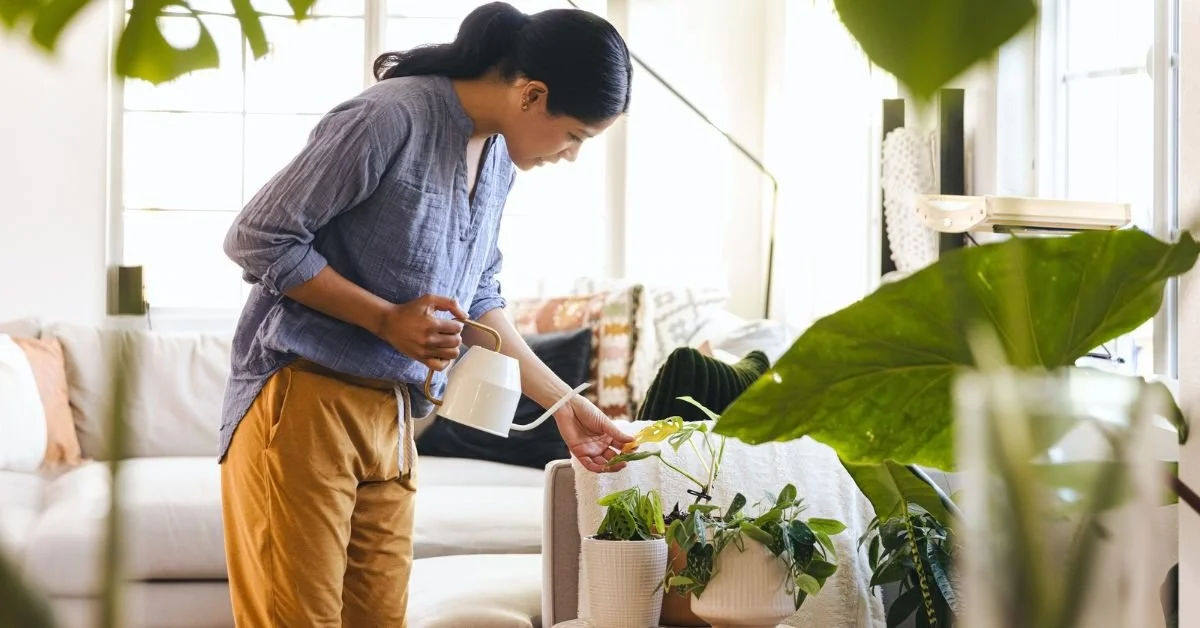
Some homes look beautiful on paper but feel a little gloomy once you move in. Maybe your apartment faces another building, or tall trees block the afternoon sun from your living room. Suddenly, every houseplant you bring home seems to struggle, and those gorgeous indoor garden photos feel impossible to recreate.
Fortunately, you don't need enormous windows to enjoy a home filled with natural touches. Figuring out how to bring nature into a home with little sunlight starts with understanding your space and choosing greenery that suits the conditions.
Find Out Where Your Home Gets the Most Light
Before buying another houseplant, spend a day noticing how sunlight moves through your home. You'd be surprised how much difference a few feet make, especially in rooms with small windows.
For example, the corner beside your living room window receives more usable daylight than the bookshelf across the room. Even when both areas look similarly bright to your eyes, plants experience different growing conditions.
Once you identify your brighter spots, reserve them for your houseplants! You can decorate darker corners with other natural elements without struggling to keep greenery alive.
Choose Houseplants That Handle Lower Light
Not every houseplant needs a sunny windowsill. Some species naturally grow beneath larger plants, which makes them better suited to the gentle light inside many homes.
If you're unsure where to start, consider these options:
Snake plants grow slowly in lower-light conditions and need relatively little watering.
ZZ plants tolerate limited daylight and have glossy leaves that suit modern interiors.
Cast iron plants handle shaded locations and require minimal attention.
Pothos vines tolerate indirect light and look attractive trailing from shelves.
Remember, low-light tolerance doesn't mean a plant survives without any light. Even these varieties need enough brightness to maintain healthy growth. Always check plant toxicity before bringing greenery into homes with curious pets or young children!
Brighten the Space Around Your Windows
Heavy curtains also make smaller rooms feel darker throughout the day. Consider switching to lightweight window coverings that offer privacy while letting daylight in. You don't need to repaint the entire room, either.
A light-colored wall near the window helps reflect available light, making the surrounding space appear brighter. Mirrors also help distribute reflected light visually, resulting in a brighter room. Keep in mind, however, that they don't replace the light plants need for growth. Keep your actual greenery close enough to suitable windows.
Decorate Dark Corners With Natural Materials
Here's something worth remembering: bringing nature indoors doesn't require filling every corner with living plants.
A windowless hallway still feels more welcoming when you introduce natural textures. Woven baskets add warmth to storage areas, while wooden furniture brings an organic appearance to otherwise plain rooms. These details work particularly well in rental homes because they don't require permanent renovations.
If you enjoy greenery, consider preserved botanical arrangements for areas where living plants won't survive. Dried eucalyptus, for instance, adds an attractive natural touch to a decorative display!
Add Grow Lights Where Daylight Falls Short
Sometimes your favorite corner simply doesn't receive enough natural light to support plants. Instead of giving up on indoor gardening, consider introducing a grow light. Today's full-spectrum LED grow lights come in compact designs that fit easily into ordinary home setups. Some resemble small desk lamps, making them less noticeable than traditional gardening equipment.
A grow light near your bookshelf allows you to maintain a small plant collection without relying entirely on the nearest window. Choose a fixture that meets your plants' lighting requirements and follow its placement instructions. For many foliage houseplants, roughly 12 to 14 hours of suitable artificial lighting supports indoor growth.
Experiment With Small Indoor Growing Projects
Houseplants aren't the only way to enjoy something growing indoors. If you love cooking, a small edible gardening project adds another reason to spend time caring for your greenery. Growing herbs is a great place to start! Adding a dedicated grow light helps provide suitable conditions when window sunlight falls short. You can also try countertop hydroponics, which gives you a compact way to grow edible food without taking up all the space.
For something different, consider an edible mushroom-growing kit. Mushrooms don't photosynthesize like green plants, so their lighting needs differ. If you decide to explore the hobby further, understanding how to store mushroom-growing materials helps protect unused supplies. Keep sterile materials sealed until use and follow product-specific storage instructions.
Give Your Greenery a Home Without Creating Clutter
It's easy to get carried away after finding a few plants that tolerate your home's lighting conditions. Before long, the windowsill feels crowded, and watering becomes another household chore.
Instead of collecting plants everywhere, create a small display near your brightest window. Grouping a few containers gives the arrangement a more intentional appearance. Choose pots with drainage holes so excess water doesn't collect around the roots. You can place nursery pots inside decorative containers to protect furniture from spills.
Plants in dimmer rooms generally use water more slowly, so check the soil before reaching for your watering can.
Expand Your Indoor Garden at a Comfortable Pace
Once your first plants settle into their new surroundings, you'll better understand which areas support healthy growth. This experience makes expanding your home garden much easier because you're choosing new projects based on what already works.
For example, if a snake plant grows well beside your bedroom window, consider adding another low-light plant nearby. If your herbs thrive beneath a grow light, try growing a small pot of leafy greens in the same general area, as long as the fixture offers enough coverage.
You don't need to turn every room into an indoor greenhouse! Give yourself time to enjoy the greenery you've introduced before taking on another project.
Make Your Home Feel Closer to Nature
A home doesn't need floor-to-ceiling windows or constant sunshine to feel connected to nature. What matters is choosing elements that work with your existing space instead of fighting against its limitations.
If you want to bring nature into a home with little sunlight, start with the room where you spend the most time. Find a suitable place for one low-light plant, then introduce a few natural details that complement your furniture.
Whether you're decorating a cozy apartment or refreshing a shaded family home, you'll have that cozy, green space you genuinely enjoy spending time in.