How To Know if You Should Dispose of or Donate Furniture
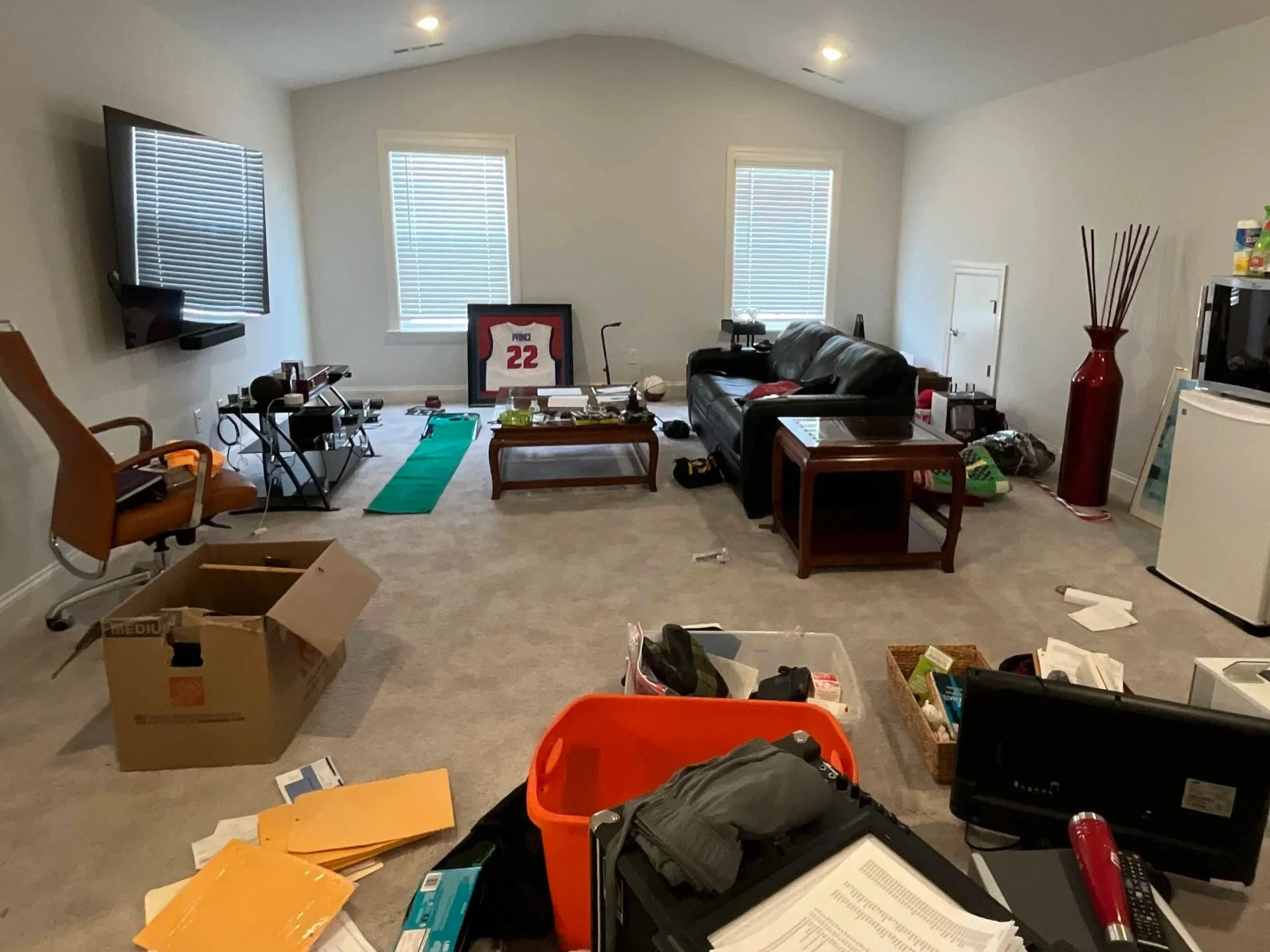
That old chair in the corner of the dining room has become a landing spot for backpacks and forgotten mail. And the small storage ottoman in the bedroom has a small tear. While you know that you should get rid of furniture that no longer brings value to your life, it’s tough to find the mental and physical energy to let them go.
Keeping every piece doesn’t resolve the clutter creeping into the house. Knowing whether to dispose of or donate furniture will help you find the right solution. Once a few pre-loved pieces leave, the house has space to support the life happening right now.
Decide Whether You Actually Use It
In many cases, that side table or accent chair just gets in the way of your family’s routine. Pieces that block walkways or force you to cram larger furniture pieces together mean that there’s too much in the space.
Picture the room after the item leaves. Would you miss the function or convenience it brought, or would the space simply seem unfamiliar the first couple of days? The answer says a lot about whether the piece belongs in the home or not.
Seasonal furniture deserves a separate thought process. A folding table used every holiday has a clear job even after months in storage. An accent table with no planned purpose has much less reason to occupy valuable square footage.
Check the Furniture’s Current Condition
Start with condition because it quickly narrows down your options. Sit on chairs and open drawers, paying close attention to how it feels in the moment. Even if a piece looks pristine, it might not function anymore. Then, inspect upholstery for lingering odors, stains, or thinning fabric, and run your hands over wooden surfaces to spot cracks, deep scratches, or structural weakness.
If you have any lamps that you might part ways with, plug in the light to see if it still works properly. Just like other furniture pieces, search for any surface imperfections.
Donated furniture doesn’t need to look perfect to earn a second life. Many donation centers accept pieces with light wear as long as they are clean, stable, and safe to use. A worn finish or small scuff marks often fall into the accepted category, but items with broken joints, unstable legs, or signs of pests won’t.
Separate Memories From the Object
Sentimental furniture creates a different kind of clutter challenge. When pieces carry special stories of a family history, it’s hard to set aside the memories. Maybe you’re still holding onto the first dresser you bought for your first apartment or a rocker from a nursery. However, the item itself doesn’t hold the memory. Even so, the memory stays with you even after the furniture leaves the home.
When you feel like the item isn’t essential for your home anymore, there are other ways to cherish it before donating or disposing of it. Take a photo of any piece that feels meaningful so you can preserve the memory without keeping the physical object. With the image, place it in a frame or scrapbook page. Then, you can associate the object with the memory rather than holding onto the furniture.
If you’re planning to discard the item, another option is to save a small detail, such as a drawer pull or knob. You’ll be able to hold onto a tangible reminder in a simple, space-saving way.
Ask Whether Someone Else Could Use It
Style alone doesn’t determine donation value. A dated finish seems wrong in one room yet suits another household perfectly. Donation makes sense when furniture has a clear purpose left to serve. A sturdy dining table, bookshelf, desk, or nightstand could support another household even if it doesn’t suit your home.
Think beyond personal preference. Someone furnishing a first apartment or replacing worn furniture could appreciate a piece that no longer fits your home. Donation turns an unwanted object into something useful instead of sending it straight to a landfill.
Check the organization’s acceptance guidelines before scheduling a donation pickup service. Many groups set limits based on size or condition. Double-checking the accepted items prevents you from dealing with a frustrating surprise on collection day.
Dispose of Furniture With Safety Problems
Some pieces reach the end of their useful life when they can no longer support safe everyday use. Broken supports or exposed springs immediately signal that a chair or sofa no longer belongs in a home setting. Mold or pest damage raises the concern even further.
In these situations, there’s no doubt about what to do next. Donating the item only passes the problem along to someone else. A charitable donation should provide something usable and safe, not something that creates a new burden. Once furniture becomes unsafe, it belongs in the proper waste stream where it can be handled responsibly.
What To Do Next?
Once everything falls into keep, donate, and discard groups, you’re ready to take action. If you don’t want to take several car trips to a donation bin, schedule the donation service to pick up the items from your home. It will be a quick and simple process, ensuring that the furniture pieces benefit another family.
To throw away furniture, many cities offer bulk waste pickup or scheduled curbside collection for large items. In other cases, you might need to drop pieces off at a local transfer station or landfill. Junk removal services are another option if you want everything hauled away at once, especially for bulky items. Check local guidelines to avoid choosing the wrong removal method.
Enjoy the Space You’ve Reclaimed
Decluttering furniture isn’t only about getting rid of stuff. It’s about shaping a home around the life happening inside it now.
Some pieces deserve another home, and others have simply reached the end of their use. Being able to decide which furniture pieces to donate or dispose of will help you reclaim a sense of calm.
After the furniture leaves the property, you’ll have space to choose new designs that make your home feel fresh. You’ll find that the process was well worth the effort.