How To Protect Your Yard During anOutdoor Project
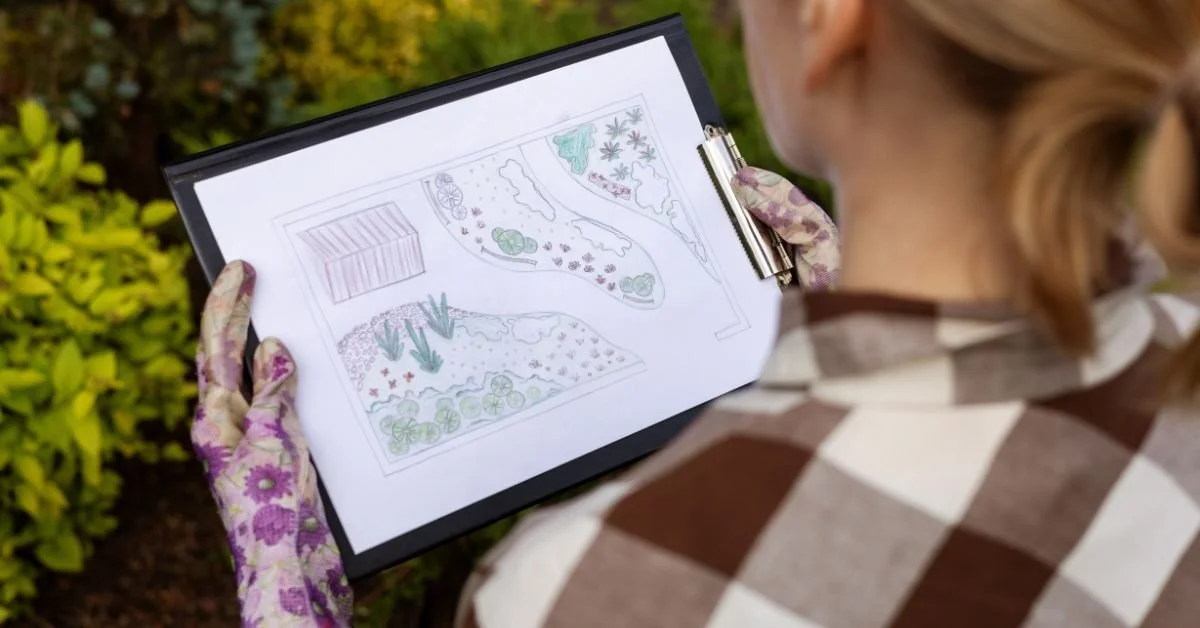
Outdoor projects are exciting, but the work can spread well beyond the small area you plan to improve. Workers need room to move, and materials need somewhere to go. Before long, a tidy backyard can have muddy tracks through the grass or supplies blocking the door. A little preparation can help you protect your yard during an outdoor project without making the process feel overwhelming. The goal is simple: give the work enough space while preserving the rest of your property and your family’s routines.
Take Photos Before Work Begins
Before anything moves, take a few photos of the project area. Capture the lawn and nearby landscaping, then photograph visible sprinkler heads or hardscaping that could be affected. These pictures give you a quick reference when it is time to put furniture and planters back where they belong.
This does not need to become a formal inspection. A few clear shots from different angles are usually enough. They can also help you remember whether a patch of grass was already thin or a border stone shifted during the work.
Choose One Route Through the Yard
One of the easiest ways to limit damage is to agree on a single route for workers and equipment. Without a plan, people naturally take whatever path feels shortest. Over several days, that can spread foot traffic across a much larger part of the lawn.
Choose a route that avoids soft ground and keeps your usual entrance open. Even a compact installation can require more room than the finished feature suggests, so map the route carefully to protect nearby landscaping and irrigation lines before work begins.
If the route crosses grass, temporary ground mats may help prevent deep tracks. A few cones or stakes can also make the path obvious without turning the whole yard into a construction zone.
Mark Anything That Needs Extra Care
A worker seeing your yard for the first time may not notice every sprinkler head or shallow wire. Walk them through the area before work starts and point out anything that could be damaged.
Clearly identify:
Sprinkler heads and irrigation controls
Landscape lighting and visible wiring
Drainage features
Utility markings or septic components
Decorative edging and fragile stonework
When a project includes an in-ground feature such as a flagpole, locating underground utilities before digging can help prevent property damage and serious safety hazards. Public markings may not show every privately installed line, so your own knowledge of the property still matters.
Protect Plants and Tree Roots
Established plants deserve more than a quick reminder to “watch the garden.” Move containers and lightweight decorations before workers arrive. For plants that cannot be moved, use a visible temporary barrier so no one has to guess where it is safe to step.
If the route passes near a garden, planning for easy access through planting areas can help keep workers out of the beds. It can also reduce unnecessary soil compaction around roots.
Avoid leaning materials against tree trunks or stacking heavy supplies over major root areas. Speak up about the plants that matter most to you. A mature shrub or perennial bed may have taken years to establish, and replacing it is rarely as easy as buying something new after the project ends.
Pick a Practical Spot for Materials
Tools and supplies need a temporary home. Decide where they will go before delivery day instead of letting the first open patch of lawn become the default.
A driveway or another durable surface may work best, as long as it does not block parking. If materials must sit in the yard, keep them away from flower beds and family spaces. Use a protective covering when needed to prevent stains or damage.
Ask whether any supplies need to stay dry or remain close to the work area. A convenient staging spot should also leave enough room for workers to sort materials without spreading them into walkways. Planning for both storage and working space can keep the project from gradually taking over the yard.
Think about how long the area will be occupied. A spot that seems convenient for one afternoon can become frustrating when it blocks the patio door for a week.
Keep the Mess Away From the House
Even when the work stays outside, the mess often does not. Mud can travel through the nearest door, while dust settles on anything left close to the work area.
Keep one entrance clear and place a washable mat nearby. Close windows during dusty work, and move outdoor cushions before they collect dirt or moisture. These steps will not keep the property spotless, but they can stop the mess from taking over the house.
Let workers know which door your family uses most. That simple conversation can prevent tools or materials from ending up directly in everyone’s path.
Set Clear Boundaries for Kids and Pets
An open hole or unfamiliar equipment can attract attention. Set a clear boundary around the work area and keep regular play routes away from it.
Tell workers if a gate must remain closed or if a pet uses a particular part of the yard. At the end of each day, scan the area for loose materials and sharp debris. A quick check can make the space easier to live around while the project is underway.
The boundary does not need to be elaborate. It simply needs to be obvious enough that family members know where not to go.
Discuss Cleanup Before the First Day
Cleanup should be part of the conversation before work starts. Ask what will happen to excess soil and packaging. Clarify who will remove debris and what the area should look like when the job is finished.
You may also want to discuss where tools will stay overnight and when the access route will be cleared. These details are easier to settle early than after the project is complete and everyone has a different idea of what “cleaned up” means.
Keep the conversation practical rather than confrontational. Most problems come from mismatched expectations, not bad intentions. A few clear questions can save everyone from an awkward conversation later.
Enjoy the Project Without Losing the Yard
Protecting your yard during outdoor work does not require an elaborate plan. A few photos and clear boundaries can prevent a surprising amount of frustration. Choosing one access route and agreeing on cleanup can make the process easier, too.
A successful project should improve your property without undoing the care you have already put into it. When the work is finished, you should be able to enjoy the new addition rather than immediately repairing the surrounding space.